Request support on coordination, information management, integration for nutrition outcomes or technical nutrition in emergencies assistance.
التماس الدعم لتنسيق التغذية وإدارة المعلومات والتغذية في حالات الطوارئ
Demander un appui pour la coordination de la nutrition, la gestion de l'information et la nutrition dans les situations d'urgence
Buscar apoyo para la coordinación de la nutrición, la gestión de la información y la nutrición en situaciones de emergencia
Solicite apoio para coordenação em nutrição, gestão de informação e nutrição em emergências

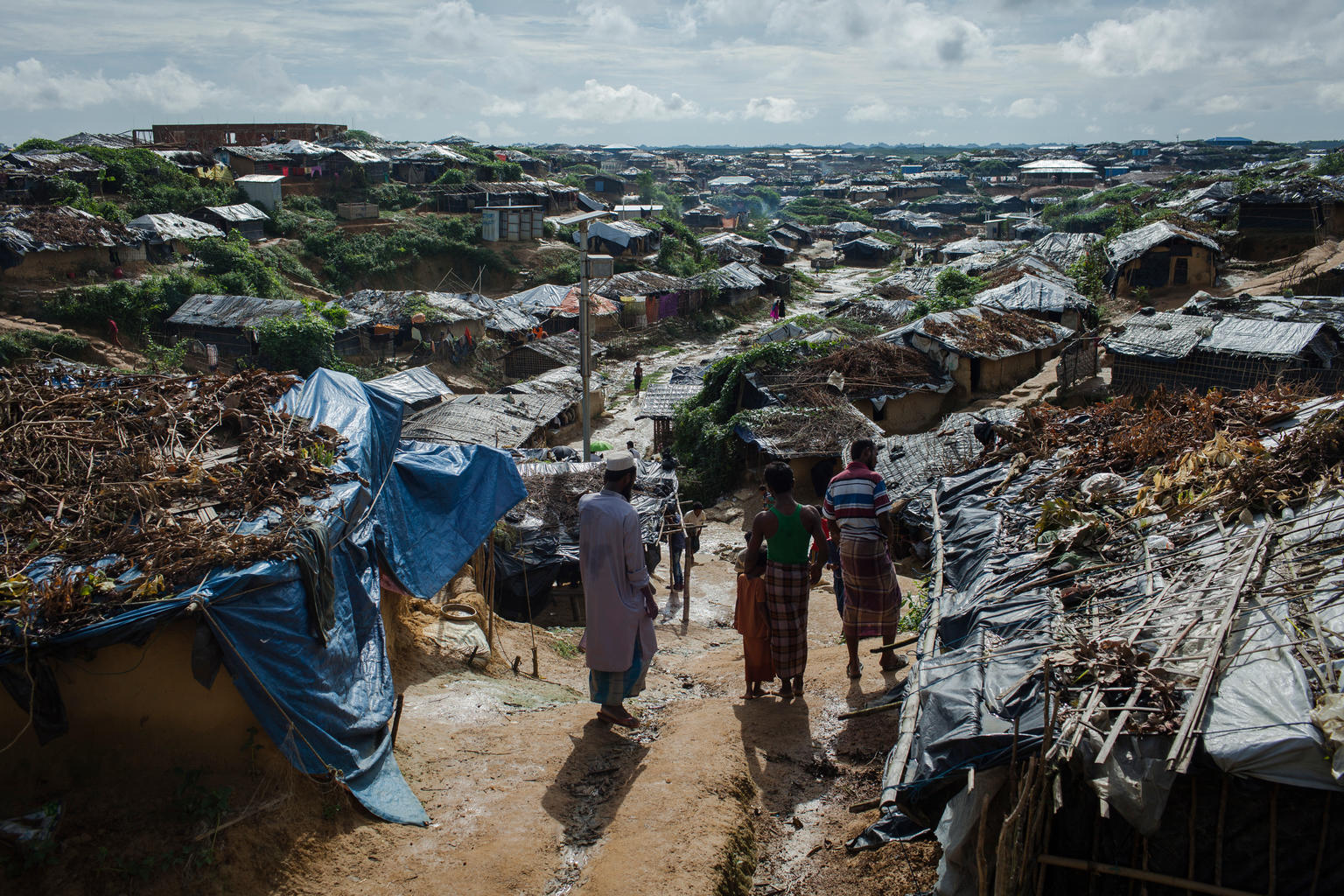
Since the turn of the century, the world has marked International Migrants Day on 18 December, spotlighting over 281 million people moving across the globe for diverse reasons. Among them, 122.6 million people are forcibly displaced –1 in 67 worldwide – marking a 5% increase from 2023.
It is extremely difficult to categorically classify a migrant by the reason of travel, especially when the situation has been imposed onto them. There are many factors at play – migrants could be escaping violence, political repression, food insecurity, extreme weather events, warzones… And those circumstances are inextricably intertwined with the economic, social, political, and cultural aspects of their lives.
What we know for certain is that, when people are forced to migrate, their nutritional well-being can be seriously compromised.
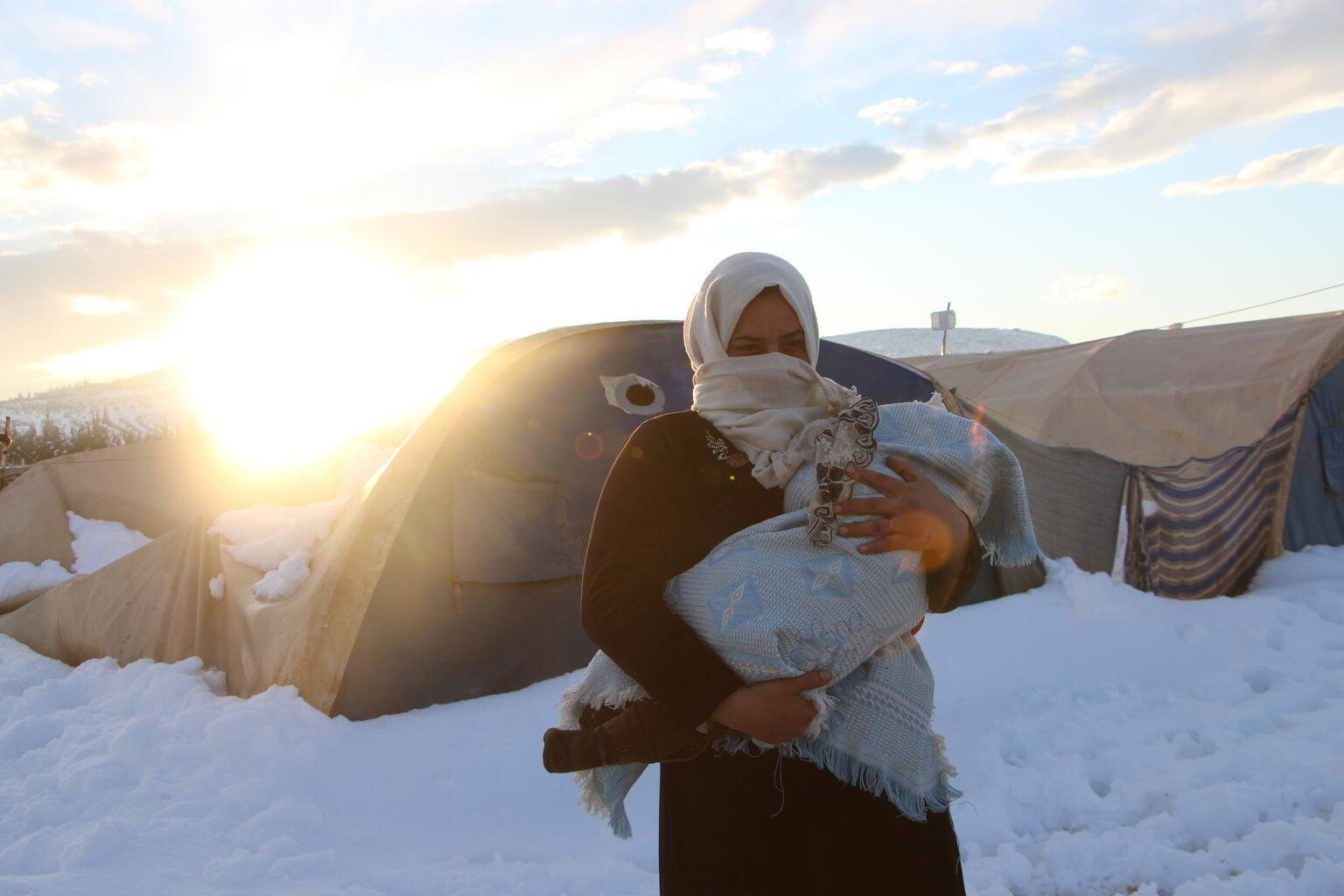
Conflict fuels food insecurity (and vice versa) because services and distribution of goods tend to be affected, and migration is one way for people to cope. Also, conflict is often compounded by drought and climate shocks, exacerbating its impacts on rural livelihoods. In many cases, hunger may be both a cause and a consequence of forced migration. This poses a huge nutritional challenge: how to attend to the specific nutritional needs of every person, according to age, gender and condition.
Women have both distinct and enhanced nutritional requirements over the course of their life, for both biological and social reasons. For instance, pregnancy and breastfeeding are two stages when the vulnerability is the greatest due to increased nutritional needs. Forced migration exacerbates these challenges, particularly impacting Infant and Young Child Feeding (IYCF) practices.
Assessing the Nutritional Status of Syrian Refugees and Hosting Turkish Households
Among the 122.6 million forcibly displaced people worldwide, around half (68.3 million) are Internally Displaced People (IDPs), and the majority remain in low- and middle-income neighboring countries. Turkey, Colombia, Germany, Uganda, and Pakistan are at the top of the list, with Tayyip Erdoğan’s Republic hosting the largest number of refugees in the world: 4 million.
In 2021, we supported an IYCF and Food Security assessment conducted with Syrian and Turkish households in the Gaziantep and Hatay provinces. Led by The Welthungerhilfe, the initiative analysed the nutritional status of both Syrians under temporary protection and host Turkish families, with the objective of assessing their necessities, determining the population's ability to meet their nutritional needs, and evaluating the IYCF and maternal nutrition practices.
Our (former) Technical Support Team (TST) helped to improve the quality of the IYCF and Food Security and Livelihoods (FSL) assessment, thanks to their dedicated remote work on planning, data collection, data monitoring, and data analysis.
The results revealed some concerning figures:
53% of Syrian and 64% of Turkish households cannot meet their basic food needs.
42% of Syrian and 73% of Turkish households did not receive any kind of assistance.
53% of Syrian and 72% of Turkish mothers did not receive any support or counselling during pregnancy and lactation periods.
The findings highlighted the need to increase the number of nutrition specialists and counselling services, as well as enhance awareness-raising activities about appropriate nutrition practices (for all women, children, and men).
Nutrition in Emergencies (NiE) Whilst on the Move
When people are forced to migrate, both their lives and livelihoods are threatened. People might have no choice but to leave their homes and crops behind and confront a new reality where there is limited access to food, health services, and water. In that scenario, where basic services are disrupted, and bad hygiene and inadequate sanitation are common, the chances of illness and starvation are much higher.
Acute malnutrition is a form of undernutrition caused by a decrease in food consumption and/or illness that can be life-threatening. It is common when a disaster strikes, especially where poverty and inappropriate childcare practices are present, as well as in the context of economic, political, and environmental instability.
Poor water, sanitation and hygiene (WASH) poses a great threat to the life of malnourished children due to their increased susceptibility to illnesses. That is why maternal nutrition interventions are recommended both when at the borders, whilst in transit and in the host communities.
Addressing the intersection of forced migration and nutritional vulnerability requires a comprehensive approach –from conflict prevention to ensuring adequate support while in transit, and in host communities. By focusing on the unique needs of migrants, particularly women and children, we can build a more resilient and equitable global response.
Useful resources
>> Access these essential IYCF-E transit guidelines (available in several languages).
>> Read about protecting breastfeeding practices in the Ukraine Refugee Crisis.
>> Check out our Webinar Series on Nutrition in Emergencies in the Context of COVID-19 and Migration.
>> Have a look at this comprehensive IYCF-E Operational Guidance developed thanks to a great collaborative effort by partners.
>> Check out these tools to help ensure a positive pregnancy experience for women.