Request support on coordination, information management, integration for nutrition outcomes or technical nutrition in emergencies assistance.
التماس الدعم لتنسيق التغذية وإدارة المعلومات والتغذية في حالات الطوارئ
Demander un appui pour la coordination de la nutrition, la gestion de l'information et la nutrition dans les situations d'urgence
Buscar apoyo para la coordinación de la nutrición, la gestión de la información y la nutrición en situaciones de emergencia
Solicite apoio para coordenação em nutrição, gestão de informação e nutrição em emergências


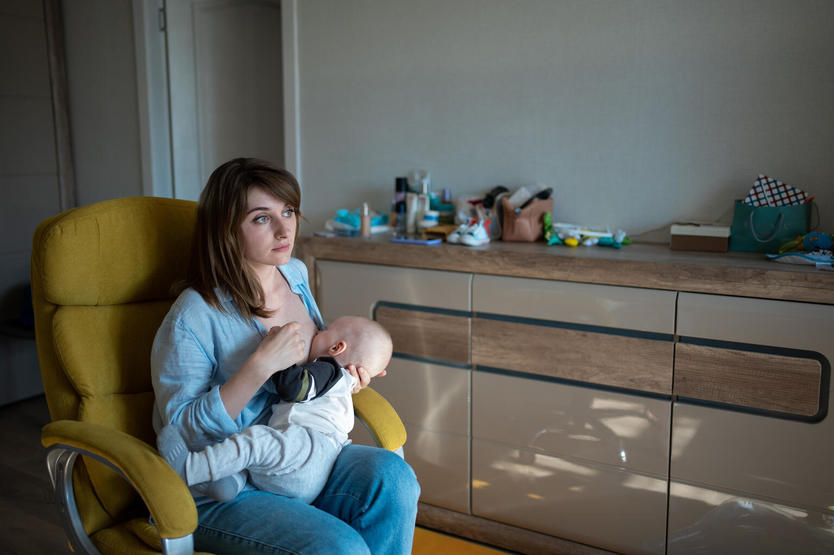
The Global Breastfeeding Collective, led by UNICEF and WHO, stresses that breastfeeding is the most reliable way to meet the nutritional needs of infants, especially during emergencies. It also benefits mothers by reducing the risk of breast and ovarian cancer, type 2 diabetes, and high blood pressure—contributing to lower healthcare costs and improved wellbeing for families and communities. As a core Infant and Young Child Feeding (IYCF) practice, breastfeeding is fundamental to child health, particularly in crisis settings and for families on the move.
Since Russia’s invasion of Ukraine in February 2022, many essential services and practices have been disrupted. In the context of IYCF, two critical concerns have emerged: the high volume of infant formula donations and the uncontrolled distribution of breastmilk substitutes (BMS). Both pose significant risks, particularly in emergency settings. In response, a Joint Statement was issued calling on all actors to protect, promote, and support safe infant feeding practices during the Ukraine refugee crisis.
Children are disproportionately affected by illness and mortality in humanitarian emergencies, underscoring the need to prioritise their nutrition.
Learning from the Past, Informing the Response
The IFE Core Group, drawing on data from the GNC Technical Alliance and other partners, has compiled lessons from the 2015 Ukraine crisis to inform the current response.
Findings from the 2015 crisis show that the use of infant formula was widespread among internally displaced persons (IDPs), largely due to limited breastfeeding support. This remains a concern as the current war is expected to affect millions and place increasing pressure on humanitarian systems.
Without adequate support for breastfeeding and infant feeding – including complementary feeding assistance and targeted support for non-breastfed infants – the health and nutrition of children are likely to deteriorate. Key interventions include services such as Blue Dot hubs and Mother and Baby Areas established by humanitarian partners.
In 2015, nutrition was not prioritised due to the absence of acute malnutrition and limited awareness of the importance of IYCF. As a result, there was little practical guidance on breastfeeding or safe alternatives. In Severodonetsk, for example, breastfeeding was sometimes perceived as a practice only for those unable to afford breastmilk substitutes.
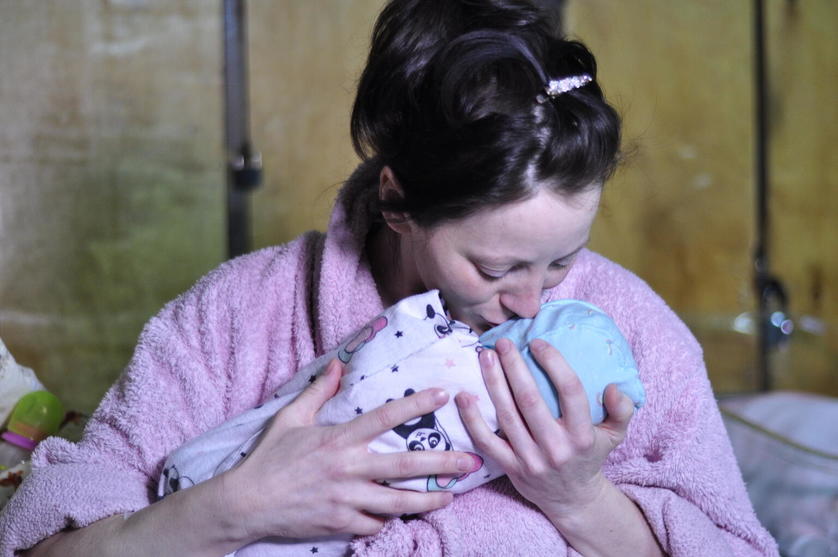
Looking ahead, the report highlights the importance of early assessments to elevate the prioritisation of nutrition. It also emphasises the need to support mothers giving birth during active conflict, as early bonding is critical for child development.
Breastfeeding While on the Move
To support those involved in planning, delivering, and mobilising resources for IYCF among refugees and migrants in transit across Europe, guidance was developed by UNICEF, UNHCR, Save the Children, ENN, and partners. The report highlights key considerations related to breastfeeding, including:
Being in transit can undermine maternal confidence and reduce or interrupt breastfeeding practices.
This is particularly concerning, as non-breastfed and partially breastfed infants are at greater risk of illness and malnutrition. While stress does not reduce breast milk production, it can delay milk flow, which may make babies appear unsettled. Creating calm, supportive environments – with trained IYCF-E counsellors and referral pathways to additional services – can help mothers and caregivers access the support they need during highly challenging circumstances.
Immediate skin-to-skin contact after birth and early initiation of breastfeeding are essential.
Mothers should be supported to breastfeed for as long as possible and to minimise reliance on breastmilk substitutes where appropriate.
For displaced families who must adapt to the specific challenges of feeding their babies whilst in transit, the Infant Feeding Support for Refugee Children has put together a flyer that is available in Ukrainian, English, Arabic, Farsi, Kurdish, Polish and Russian.
All the key nutrition resources for the Ukraine Refugee Crisis response are available here.